
AI consulting & implementation
A better way to
run your business.
Win more profitable work.
Build a business ready to handle it.
Let’s identify where better systems could make your business more profitable.
Your team has
better things to do.
Turn disconnected processes into a stronger operation.
Connect the information, decisions and responsibilities behind customer work and daily operations. Build around the tools your business already relies on.
See the difference
The whole job.
Not the scattered pieces.
One example: keep customer updates, documents and next steps together. Less time rebuilding the story. Fewer details missed when work changes.
 Example workspace
Everything the team needs.
Attached to this job
3 example recordsYour tools, connections and review steps are agreed before the build.
Discuss a problem like thisMore time for
billable work.
Give open estimates
a chance to close.
Catch changes
before they cost you.
What we can build together
Your business needs.
One connected approach.
Consulting, connected implementation and ongoing management. AI, customer systems, websites and reporting work toward the same business priorities.
AI & automation
Sort incoming information, prepare work for review and connect repeated tasks across your business.
Explore02Business systems
Connect customer records, team responsibilities and delivery, so people can see the next step.
Explore03Websites & inquiry
Give the right buyers a reason to choose you and a clear way to become an inquiry.
Explore04Reporting & visibility
Bring useful numbers together so you can see what is working, what is waiting and where to act.
ExploreSelected work
Built around
the business behind it.
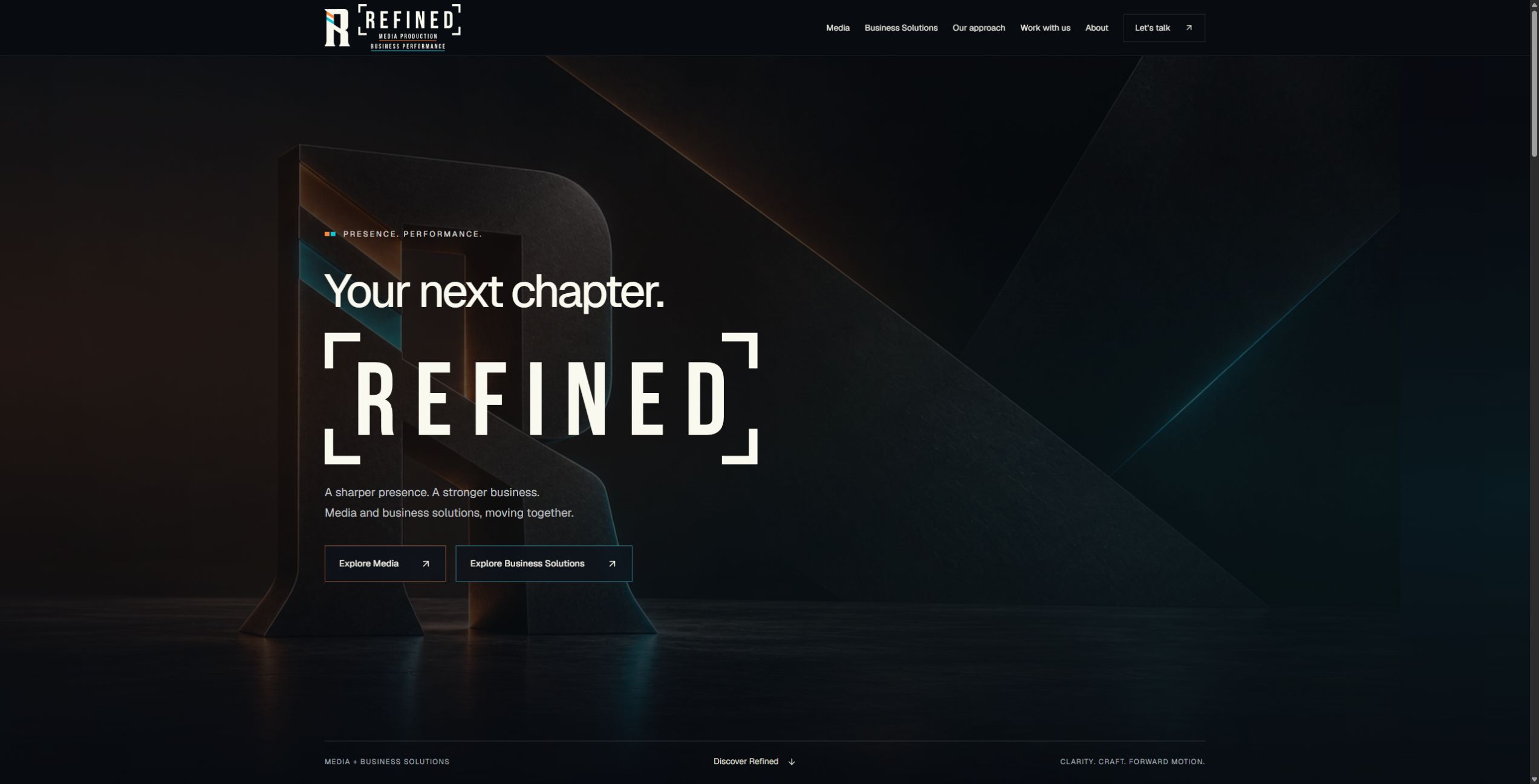
One identity.
A connected business.
Explore the Refined engagement and public website.
View project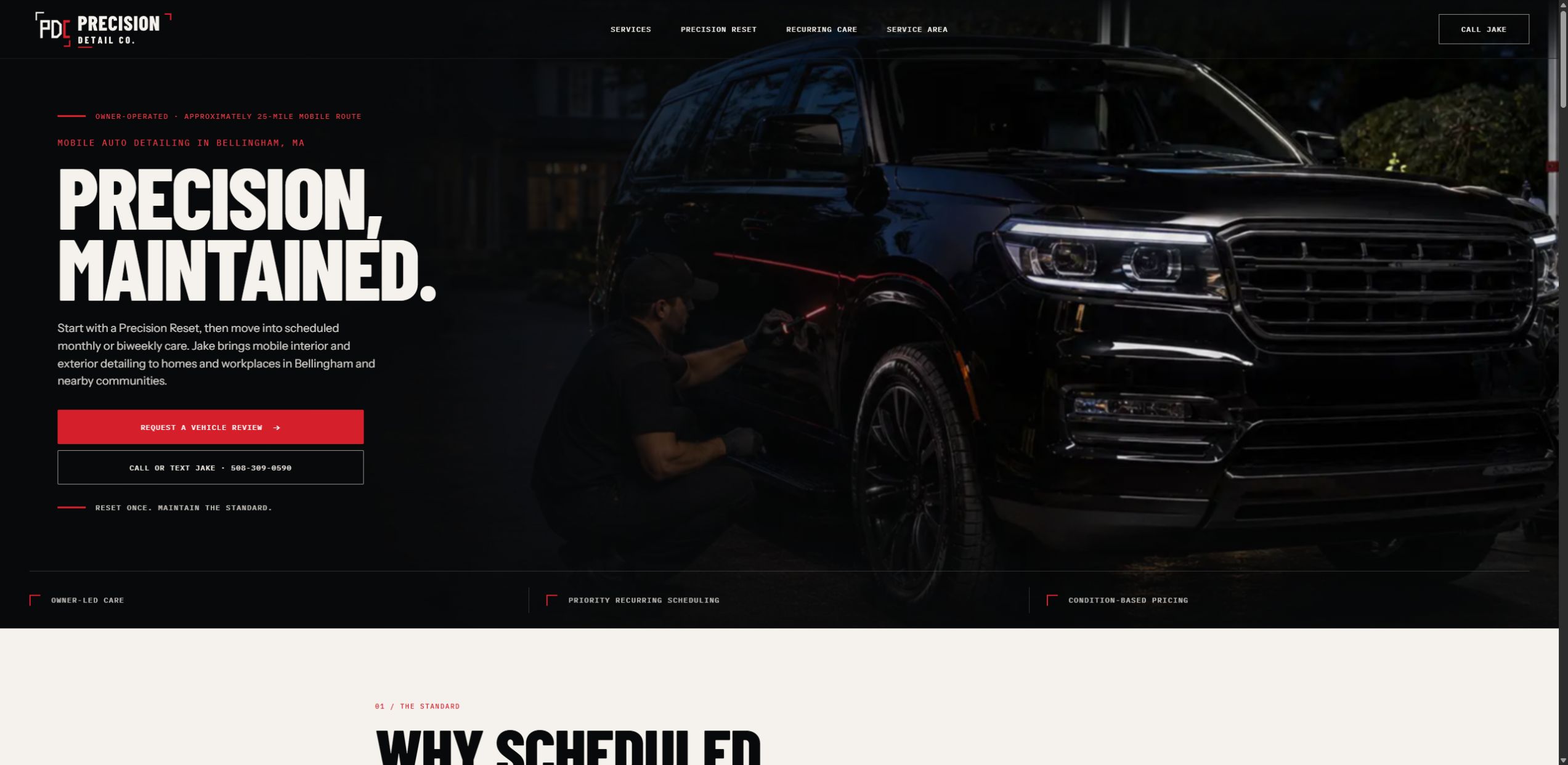
Precision Detail Mobile.
A clear offer and vehicle-review inquiry for an owner-operated business.
View project“Nick has been awesome to work with when it came to building up my website for Precision Detail.”
Jake Mangano · Precision Detail Mobile

From the first conversation to what comes next
Built for the business.
Managed as it grows.
Assess the opportunity.
Understand the business priorities, the cost of the current process and the value of improving it. Agree the implementation plan and investment.
Implement the solution.
Connect the agreed workflows, define responsibilities, test the full process and prepare your team to use it.
Manage and improve.
Keep a partner responsible for the agreed systems after launch. Review issues and business performance, set priorities, resolve problems and deliver the improvements included in your plan.
Your plan defines the systems, support, review cadence and improvement work included. A documented handoff is available for standalone projects.
How we work togetherStart with the business problem
Where could your
business get
more back?
Let’s identify where better systems could make your business more profitable.